The Art of Trout Fishing
Trout fishing has a special place in South African fly-fishing culture.
From the mountain waters of the Drakensberg to the dams and fisheries of Mpumalanga and the KwaZulu-Natal Midlands, trout fishing offers anglers the opportunity to enjoy beautiful surroundings while developing their technique.
Stillwater trout fishing can look deceptively simple. A calm dam, a floating line and a fly drifting across the surface might seem straightforward. But beneath that surface, trout are constantly responding to their environment.
Understanding their behaviour is what makes the difference between simply casting and fishing with purpose.
Understanding Stillwater Trout
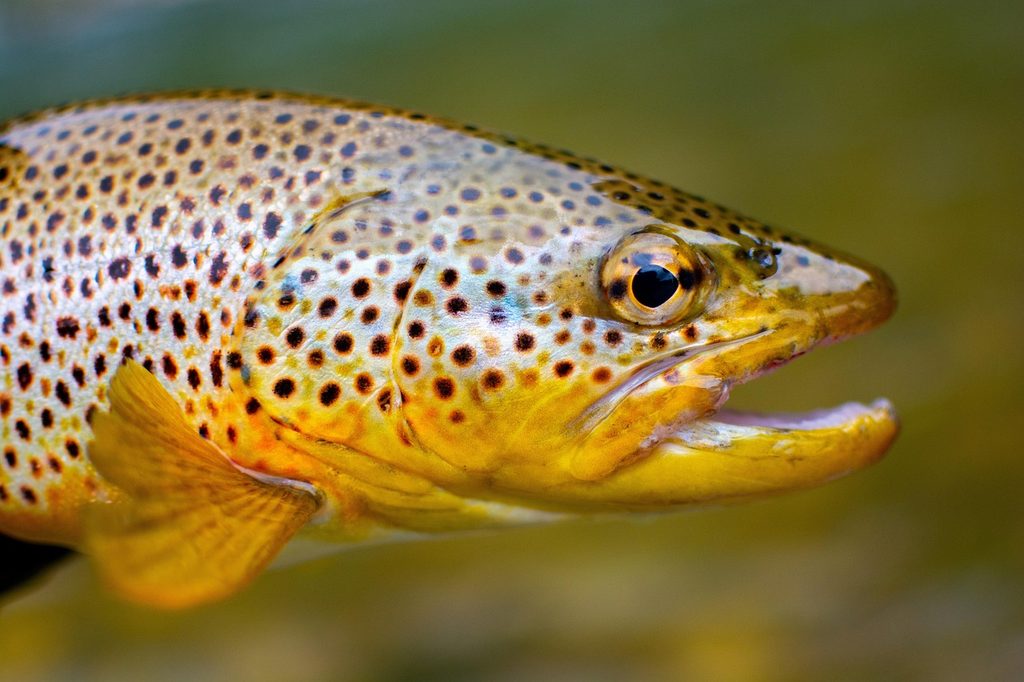
Trout are opportunistic feeders. Their food sources can include aquatic insects, larvae, emerging insects and other small aquatic organisms.
In a stillwater environment, trout may cruise through shallow margins, patrol drop-offs or hold at different depths depending on food availability, water temperature and conditions.
Rather than repeatedly casting to the same spot, take time to observe the water.
Look for:
- Rising fish and surface activity.
- Insects moving across or emerging from the water.
- Changes in depth and underwater structure.
- Sheltered areas and drop-offs.
- Wind direction and the movement of food across the water.
These clues can help you decide where to fish and how to present your fly.
Choosing Your Trout Fishing Setup
A balanced setup makes fishing more enjoyable and helps you present your fly effectively.
Your equipment should be selected according to the size of the water, the size of the fish and the techniques you intend to use.
A typical stillwater setup may include:
Fly rod and reel
Choose a rod and reel combination suited to the fishing environment. A lighter setup can be enjoyable for smaller waters, while larger waters and stronger fish may require a different approach.
Fly line
A floating line is a versatile option for surface and shallow-water presentations. Intermediate and sinking lines can help when fish are feeding deeper in the water column.
Leader and tippet
The leader connects your fly line to the fly. Its length and strength should suit the fly, fishing conditions and size of the fish.
Flies
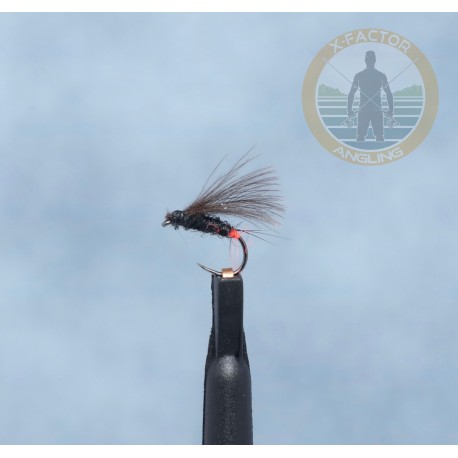
A selection of patterns imitating aquatic insects, larvae and other natural food sources gives you options as conditions change.
Selecting the Right Fly
Fly selection is one of the most interesting parts of trout fishing.
A fly that works beautifully one day may produce very little the next. This is because trout respond to what is available in their environment, as well as changes in light, temperature and feeding activity.
Start by observing the water. Are trout feeding on the surface? Are they cruising below it? Can you see insect activity?
Dry flies can be useful when trout are feeding on the surface. Nymphs and other subsurface patterns are worth considering when fish are feeding below the surface.
If one approach isn’t producing results, change your depth, retrieve or fly pattern rather than simply casting more frequently.
Reading the Conditions
Weather and water conditions influence trout activity.
Wind can move food across a dam and create useful feeding areas. Changes in light can influence where fish are comfortable feeding, while water temperature can affect their activity and depth.
There is no universal rule that guarantees success at a particular time of day. The best approach is to observe the conditions on the day and adapt accordingly.
Catch and Release: Handle Trout with Care
Responsible handling is particularly important when practising catch-and-release fishing.
Use suitable tackle to avoid unnecessarily long fights, wet your hands before handling fish and keep them in the water whenever possible.
Avoid squeezing the fish or touching its gills. If a photograph is important, keep the fish supported and minimise the time it spends out of the water.
XFA has previously shared content on handling trout safely, including catch-and-release guidance. It’s a reminder that looking after the fish is part of looking after the sport.
Make Every Day on the Water a Learning Experience
Trout fishing rewards patience, observation and experimentation.
Whether you’re a newcomer learning to cast or an experienced angler refining your fly selection, every session offers an opportunity to improve.
At XFA, we’re passionate about helping anglers find the right equipment and develop their skills. Explore the Pro Shop for trout-fishing tackle and essentials, or contact the team to find out about fishing opportunities and upcoming clinics.
Good fishing starts with understanding the water.